“coffee bean treatment method” search results (2000)

Sixteen kinds of coffee beans from different places are introduced. Is there the one you only like?
Rwanda Kivu Rwanda-Coffee beans without Rwanda were introduced to Rwanda by German missionaries in the 20th century. Because of Rwanda's superior climate and unique geographical environment, growing coffee beans has a unique fruity and grassy aroma. There are many planting bases in Rwanda, but the coffee beans produced without machines are even better, not only because of their own uniqueness.
2015-06-04 Sixteen different origin coffee beans introduction you love one
Coffee bean origin coffee bean planting environment
The process of natural solarization is the simplest. The fruit begins the process of sun drying without treatment after picking. This is the oldest method of treatment in existence. This method is still used in places such as Ethiopia and Brazil. Natural solarization is most common in areas where water resources are scarce. The drying process usually lasts about 4 weeks. The way to deal with it must be very
2016-05-29 Coffee beans origin planting environment nature sun this kind of treatment method process
High-quality coffee mocha coffee bean treatment method honey treatment
Coffee beans from coffee hometown. Before the 6th century AD, Yemen was called Arabia, so coffee trees shipped from Yemen to other places were also called Arabian coffee trees. But the origin of these trees is Ethiopia, and the Dutch spread these coffee trees around the world. Dutch merchants sailing eastward around the Cape of good Hope (The Cape Of Good Hope)
2016-05-19 Boutique coffee mocha coffee beans treatment methods
The method of half-sun treatment for the primary processing of coffee beans
As the early Brazilian coffee was all treated by traditional solarization, the overall quality of Brazilian coffee was unstable and could only wander in the middle and lower grade. In order to improve the quality of coffee in Brazil, the Brazilian government has invented the half-sun method and vigorously promoted it. At present, almost all the high-quality coffee beans in Brazil use the half-sun method to treat raw beans, which can be said to be a successful half-sun method.
2015-03-20 Coffee beans primary processing extraction solarization treatment due to early Brazil coffee whole
The method of half-sun treatment for the primary processing of coffee beans
As the early Brazilian coffee was all treated by traditional solarization, the overall quality of Brazilian coffee was unstable and could only wander in the middle and lower grade. In order to improve the quality of coffee in Brazil, the Brazilian government has invented the half-sun method and vigorously promoted it. At present, almost all the high-quality coffee beans in Brazil use the half-sun method to treat raw beans, which can be said to be a successful half-sun method.
2015-09-14 Coffee beans primary processing extraction solarization treatment due to early Brazil coffee whole
The method of extracting coffee beans from the primary processing of coffee beans by sun treatment
Tanning is a traditional method for the initial processing of coffee beans, and at present, almost all coffee-growing countries such as Ethiopia and Yemen still use solarization to treat raw beans. Sun treatment will first identify sunken beans in the sink, that is, ripe or half-ripe beans are spread in the drying farm for natural drying. The specific time depends on the local climatic conditions, which usually takes two to four weeks.
2014-12-30 Coffee beans primary processing extraction methods solarization treatment tradition coffee beans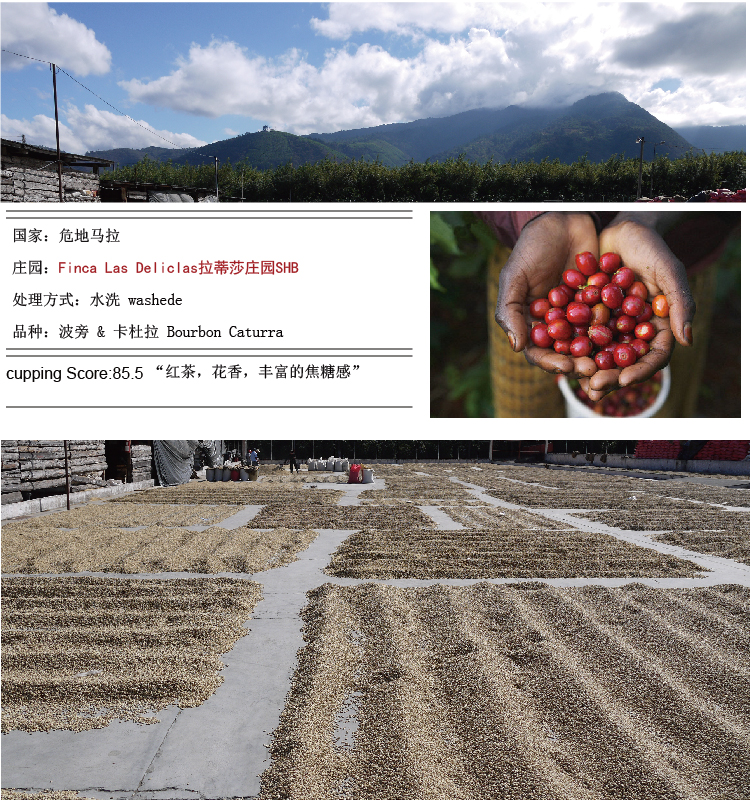
Please introduce the raw bean treatment method of coffee washing, semi-washing, sun drying and honey treatment.
The first is dry treatment (secado), also known as natural all-day exposure (natural). After the coffee fruit is actually picked, it is dried directly in the sun. According to the weather conditions, it is generally necessary to dry the coffee beans for 2 weeks to reduce the water content of the coffee beans to 10%, 12%, and then use a machine to remove the dried peel and pulp. The raw bean processing plant (beneficio) usually keeps the outside of the coffee beans when the raw beans are stored.
2016-04-14 Introduction Coffee Water washing Solar treatment Raw beans one secado
The processing method of high-quality coffee beans how to turn coffee fruits into coffee beans?
There are a pair of oval seeds in the center of the fruit of the coffee tree, which are covered with exocarp, endocarp and pulp. Ripe fruit will rot in a short period of time without treatment, so the purpose of refining is to enable coffee beans to be preserved for a long time, easy to store and circulate. Figure (1) Coffee fruit Coffee fresh fruit should be dealt with immediately after being harvested. Refining is to remove the peel and pulp of coffee fruit
2015-11-10 Boutique coffee beans treatment method coffee how
What are the treatment methods for raw coffee beans? coffee bean washing method
Semi-washing (Semiwashed Method): this is a combination of sun and water washing, first removing the pulp and peel in the same way as the washing method, then drying the coffee beans that are still attached to the mucous membrane completely, and then wetting the dried coffee beans, knocking off the residual mucosa with a machine, and then drying and storing them. Because at the same time
2016-06-06 Coffee raw beans which treatment method coffee beans washing half water Se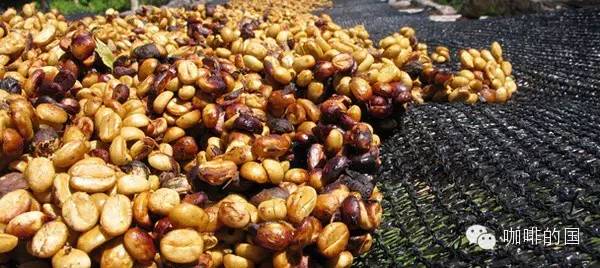
Coffee honey treatment coffee bean yellow honey treatment black honey treatment China Coffee net Costa
4. Honey treatment Today, honey treatment is used in almost all the producing areas of Costa Rica. This method is also widely spread throughout Central America. Because the surface mucosa of coffee beans is extremely sticky and smooth and the sugar content is extremely high, it is often called honey. In the process of honey treatment, coffee will leave some or all of the honey when it is dried. After picking, grading and peeling the coffee fruit, it will be
2016-04-25 Coffee processing coffee beans yellow honey way China net Brother Starr now
A brief introduction to the treatment of Coffee beans-- Solar method
Tanning is a traditional method for the initial processing of coffee beans, and at present, almost all coffee-growing countries such as Ethiopia and Yemen still use solarization to treat raw beans.
2014-06-24 Coffee knowledge coffee bean treatment tanning method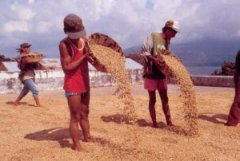
Introduction to the treatment of raw coffee beans-tanning method
Sun treatment will first identify sunken beans in the sink, that is, ripe or half-ripe beans are spread in the drying farm for natural drying. The specific time depends on the local climatic conditions, which usually takes two to four weeks. When the moisture of the coffee bean is reduced to 12%, then use a sheller to grind off the hard pulp and silver skin. The requirement of the sun treatment on the climate is very high.
2014-07-22 Coffee raw beans coffee bean treatment sun treatment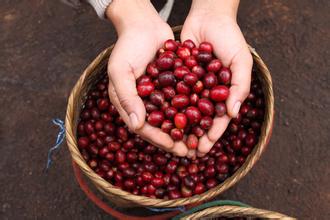
High-quality coffee mocha coffee bean treatment method honey treatment
Coffee beans from coffee hometown. Before the 6th century AD, Yemen was called Arabia, so coffee trees shipped from Yemen to other places were also called Arabian coffee trees. But the origin of these trees is Ethiopia, and the Dutch spread these coffee trees around the world. Dutch merchants sailing eastward around the Cape of good Hope (The Cape Of Good Hope)
2016-05-12 Boutique coffee mocha coffee beans treatment methods
Washed Kenyan coffee beans introduce the treatment method of fine coffee
Rare micro-batch boutique coffee, from Kenya's Kakentu processing plant (Kenya Gakundu), select each bean, and by the Kenyan multi-door DORMAN company to ensure the superiority of quality. Multi-door DORMAN is known for its excellent quality management, providing coffee from all regions of Kenya and Tanzania in addition to strict product control. The company takes
2016-06-28 Washing treatment Kenya coffee beans introduction boutique coffee way method calendar
Introduction of Coffee processing by Water washing, semi-washing and Natural drying
Because the quality of the solarization method is not easy to control, there is a half-solarization method. Among them, there are several kinds of transformation, the most frequently mentioned are fruit paste solarization and honey treatment. Some people say that honey treatment is Puiped Natural Process, but we do not refute it, because the two methods are too similar. However, according to Los Lajones Manor, we think that the honey place
2016-10-17 Washing semi-water natural drying coffee processing treatment introduction
Processing methods of coffee beans with low caffeine
CO2 low-caffeine treatment and other low-caffeine treatments are described as follows: at present, there are three ways to remove caffeine from coffee beans: 1. Water treatment can remove 9496% of the caffeine. 2. Chemical extraction method, early use of chloroform (Chloroform) and benzene (Benzene) as solvents to extract caffeine, and later understand that these chemicals cause cancer, and then gradually become other low-hazard chemicals.
2015-01-23 Coffee beans processing caffeine methods CO2 treatment others
Introduction to the treatment of coffee beans there are several treatment methods for mechanically semi-washed coffee beans
Mechanical semi-washing-economical half-sun method can not be used in all producing areas. If the producing area with heavy moisture is allowed to take out the pectin pods and expose them outdoors, it is not only not easy to be dehydrated and hard, but also prone to parasitic molds. therefore, the mechanical semi-washing method has been developed in areas with heavy humidity, which saves both effort and water. First put the red fruit and the half-green and half-red fruit that have sunk into the sink
2016-07-21 Coffee beans treatment method introduction mechanical washing several methods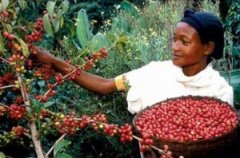
The birth of coffee beans (2) the methods of coffee bean treatment
Coffee bean processing when the hard bean farmers, will be ripe bright red coffee "cherry" pick down, coffee beans magical adventure will be launched. To convert a coffee fruit into a raw coffee bean, the peel and pulp of the coffee fruit need to be removed, leaving seeds or beans, and drying. This refining process usually has two main processing methods: washing (wet method) and drying.
2015-10-12 Coffee beans birth coffee beans treatment methods processing Dangxin bitter
There are several kinds of coffee in the treatment of coffee beans.
In the process of washing, the peel and pulp of the fruit are treated with a special desizing machine and the coffee beans are peeled off. The coffee beans then enter the fermentation tank for fermentation treatment so that the mucous membrane is no longer sticky. The sugars in the mucous membrane are decomposed during fermentation. Depending on the fermentation method, the fermentation time is usually 12 hours to 6 days (some growers use the watering system to ferment coffee beans. This kind of square
2016-07-29 Coffee beans treatment method several kinds coffee type introduction variety washing process
Introduction to the processing method of sun washing and semi-washing of coffee beans
Introduction of coffee treatment 1. The process of natural solarization (Natural/Dried-in-the-Fruit) is the simplest. The fruit begins the process of sun drying without treatment after picking. This is the oldest method of treatment in existence. This method is still used in places such as Ethiopia and Brazil. Natural solarization is most common in areas where water resources are scarce.
2016-10-21 Coffee beans solarization washing processing process method treatment introduction coffee